
Chowan County Arrest Report Sources
The Chowan County Sheriff publishes no 72-hour, seven-day, or weekly arrest log on its site. No page explains posting times. Nothing says how long entries stay up, whether photos appear, or how weekends change release. The statewide records schedule lists daily bulletins as an internal law-enforcement series. That does not create a public feed. Detention rosters, commitment reports, and release reports are separate records too. None counts as the county's public arrest log. The official route runs through the Chowan County Sheriff Administration Division, which handles standardized public records and recordkeeping. Ask for a date range and a record type. Outcome questions belong in Chowan County courts. News reports sit below both. An article may summarize selected incidents, run on a later date, or skip later case changes entirely.
Read Chowan Arrest Reports Carefully
A solid search works backward from date and agency. This keeps four different dates from blending together. Arrest date, booking date, article date, and court filing date may sit close, yet they answer different questions. With no Sheriff web log to lean on, careful source labels matter even more in Chowan County.
- Set the date range. For a current-day event, use the Arrested Today process instead of waiting for later reporting.
- Identify whether Edenton Police, the Sheriff, or another agency made the arrest. That agency may hold the incident report while the booking office holds the intake record.
- Request the arrest or booking record from Sheriff Administration with the full name, likely date, and desired document.
- Search the North Carolina eCourts Portal by name or case number, then narrow to Chowan County.
- Use local news to locate context, then compare every charge, bond, and date against the originating agency or court.
A court result can outlast any short booking list. Smart Search may show parties, causes, events, hearings, financial information, and dispositions when public and available. A disposition is the court's recorded outcome. It answers a different question than booking, and restricted, sealed, misspelled, newly filed, or citation-only matters may not surface in a simple name search.
Fields in Chowan Arrest Reports
The county lists no official field schema online. Treat these as fields to seek, not promised columns. A news story may carry only a subset. A formal booking sheet can hold more intake data, while an incident report may contain investigative material that stays confidential.
| Field | How to interpret it |
|---|---|
| Name and identifiers | Match spelling and date of birth where lawfully available; similar names can cause false matches. |
| Arrest and booking dates | The arrest may precede completed intake or publication. |
| Agency and location | Shows who reported the event and where it occurred, not necessarily the current jail. |
| Charges as booked | Early charges that may later be amended or dismissed. |
| Bond or release status | A time-sensitive status, not a verdict. |
| Case number | The best bridge from an arrest entry to court events and disposition. |
| Booking photo | No official Chowan web-photo policy was verified; request it separately if needed. |
North Carolina G.S. 132-1.4(c) identifies public arrest information. That covers time and place, name and identifying details, the alleged violation, and circumstances. The law does not open every criminal-investigation file. It also does not require the Sheriff to keep an online arrest archive. A photo under G.S. 15A-502 may never be posted.
Weekend Arrest Report Timing
Sheriff Administration posts weekday office hours. Those hours say nothing about detention intake or when a news outlet publishes. A weekend arrest may be booked promptly. It can still sit out of reach until a business day. Several incidents can then land in one article. That clustering reflects publication habits, not arrests happening at once. The Albemarle Observer offers the clearest local example. Its December 2025 law-enforcement log summarized Edenton Police and Chowan-area arrests across several dates. It included charges, bond details, agencies, and detention references. That was narrative reporting, not a Sheriff database. It worked nothing like a mugshot gallery. Publication runs on events rather than a daily schedule. The Roanoke-Chowan News-Herald digital edition is another regional news lead.
The regional publication speaks for itself. No dedicated Chowan arrest-log page exists there, so each article needs its own date and source check.
Chowan Records After Roll-Off
An entry dropping off a recent list does not mean the record vanished. The paper trail survives. It may live on in an arrest sheet, booking file, release record, court case, or news archive. It may also sit in a receiving jail's system. Correction, sealing, or expunction can lawfully change what stays public. A missing web result proves nothing about legal status. North Carolina's county sheriff records schedule describes active and inactive incarceration records. The listed items include entry and release summaries, arrest sheets, commitment and release orders, and confinement records. Destruction generally comes three years after release or transfer. Holds for pending audits or litigation can stretch that window. Identification photographs not kept in a case file follow the same three-year schedule. Case-file rules control photos tied to an investigation. The schedule is statewide. It does not prove what happened to any named Chowan record. The North Carolina Archives local-records page explains the full records framework.
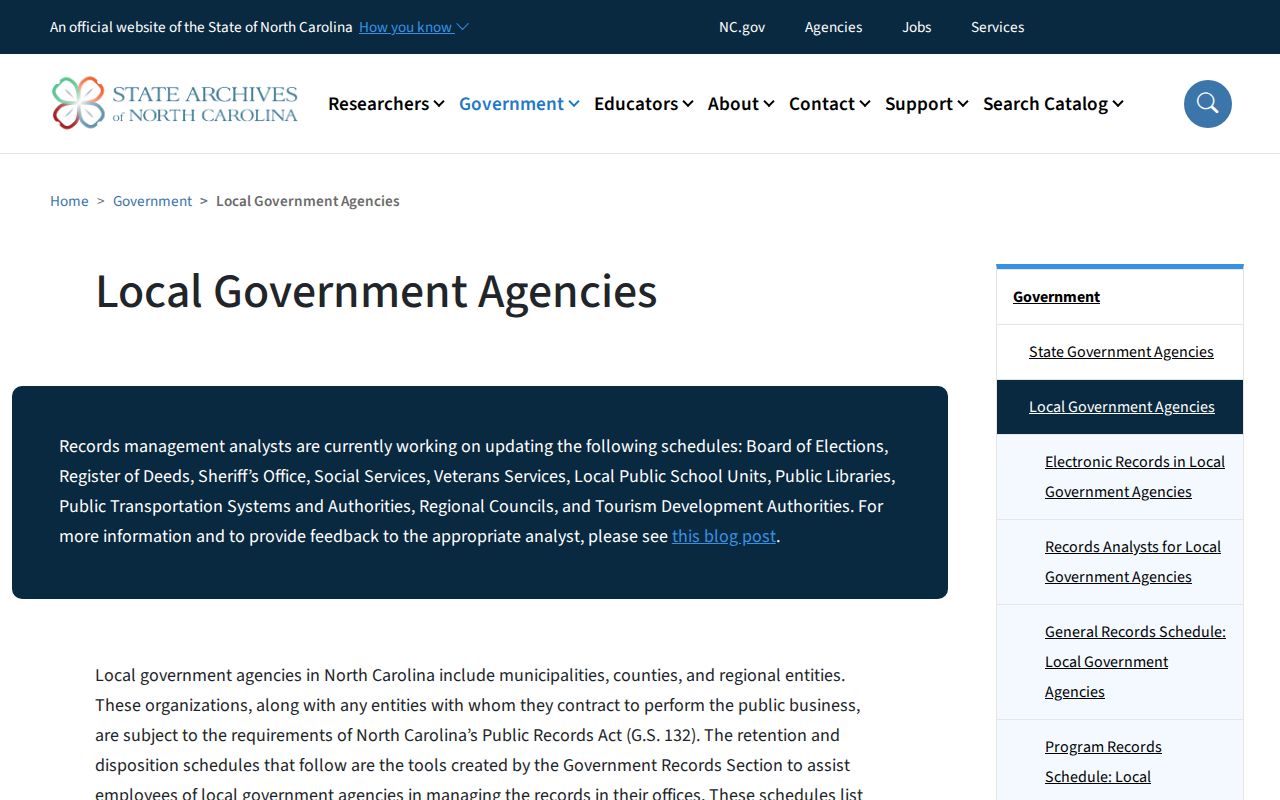
The state's retention page sets the rules for how long records are kept. It is not a searchable archive. You cannot pull individual Chowan County arrests from it. Older material turns up elsewhere. The historic Chowan Herald collection sits at DigitalNC. An archived 2013 CrimeWatch page held arrest summaries from both the Edenton Police and the Chowan Sheriff. That proves local papers have long favored blotter-style formats. It cannot tell you who is in custody today. Old news makes sense only against its own issue date. Once a record falls outside any web window, contact Sheriff Administration and name a specific series and range. "All arrest records" is too broad a request. Give the booking name or number, the date range, the agency, and whether you want an arrest sheet, a release record, or a photograph. Staff can then say whether the office holds it and whether any law limits disclosure.
Chowan Arrests Versus Outcomes
News logs freeze a Chowan County arrest at the moment it happens. Agencies rarely update those entries afterward. A charge can change shape as the case moves. It may be reduced, dismissed, continued, tried, or resolved through a plea agreement. To follow what a case actually became, the eCourts Portal is the official interface. It searches court records downstream of the arrest.
The portal points you to where a case outcome lives. Before trusting a name match, confirm the county, case number, charge, and court event for the person arrested.
- Booking
- Administrative intake after an arrest.
- Bond
- Conditions tied to release while a case is pending.
- Disposition
- The court’s recorded outcome for a charge or case.
- Expunction
- A court process that may remove qualifying records from public access under state law.